
Choosing a nursing home can be a difficult and emotional decision, but it’s important to find the right one that will meet the needs.

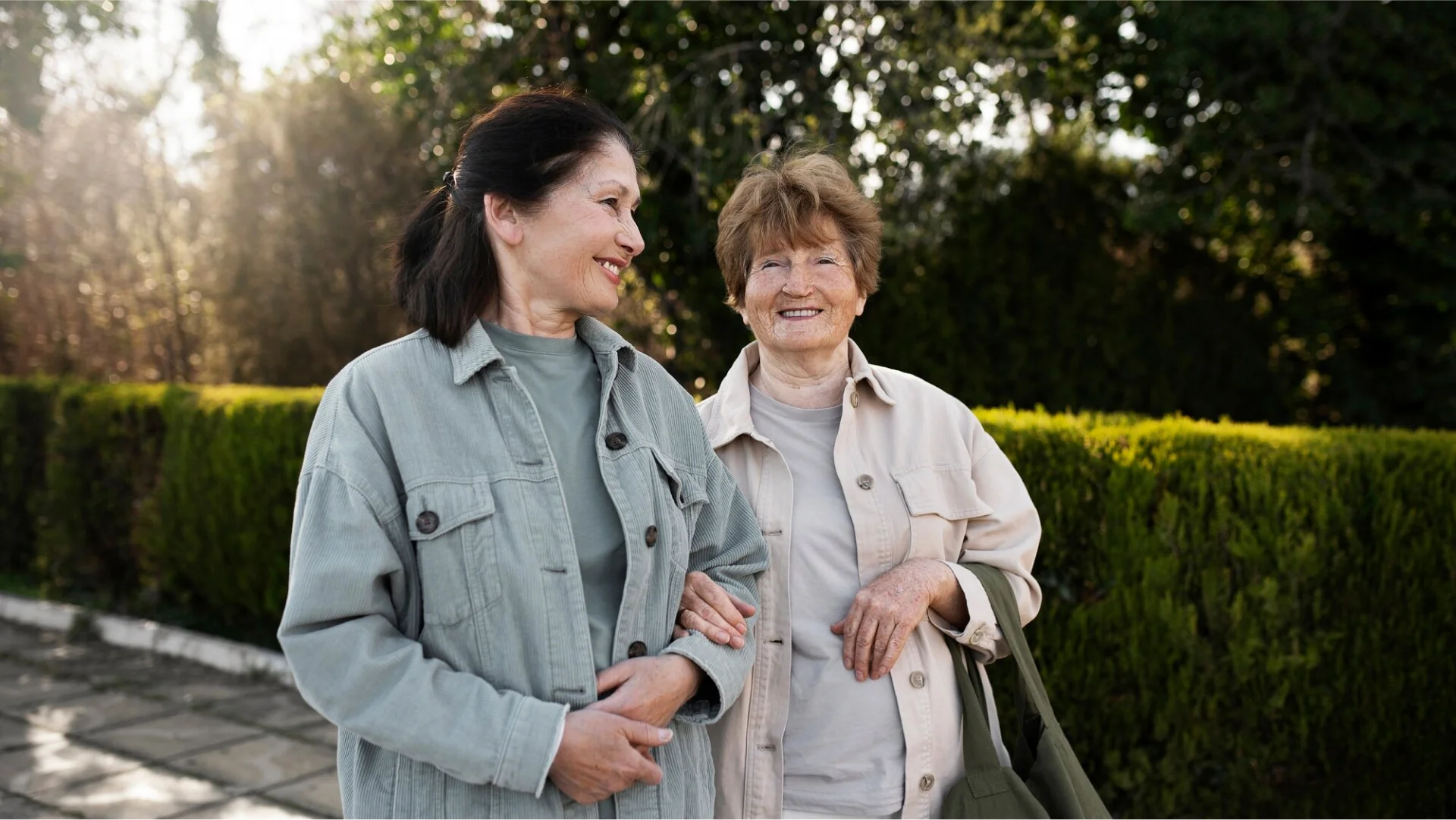
Choosing the right care for a loved one with dementia can be a difficult and emotional decision. It’s important to ensure that the environment will meet both their physical and emotional needs, allowing them to live well with dignity and support. Here are five key factors to consider when selecting the best care option:
Choosing a nursing home can be a difficult and emotional decision, but it's important to find the right one that will meet the needs and preferences of you or your loved one with dementia.
Adapting the Living Environment
As we age or face certain health challenges, our living environment plays a crucial role in maintaining independence, comfort, and safety. Adapting the home is not just about modifying physical spaces; it’s about creating an atmosphere that promotes well-being, supports daily activities, and reduces potential hazards. The right changes can make a significant difference in an individual’s ability to live comfortably and securely at home.
Encouraging Social Interaction
Social interaction is a cornerstone of good mental and emotional health, especially as individuals age. Whether living independently, receiving home care, or residing in a care facility, encouraging regular social connections can have profound benefits for overall well-being. Meaningful social engagement not only combats feelings of loneliness and isolation but also enhances cognitive function, boosts mood, and improves physical health.
Supporting Mental and Physical Health
Supporting both mental and physical health is crucial to maintaining a high quality of life, particularly as we age. The mind and body are interconnected, and one cannot thrive without the other. Therefore, promoting mental well-being alongside physical health ensures that individuals can maintain independence, function optimally, and enjoy a fulfilling life.
The need to prioritize both mental and physical health is even more pressing in older adults, who may face challenges such as chronic conditions, cognitive decline, or social isolation. Below are some effective ways to support both aspects of health, helping elderly individuals live their lives to the fullest.
Choosing a nursing home can be a difficult and emotional decision, but it's important to find the right one that will meet the needs and preferences of you or your loved one with dementia.
John Collins
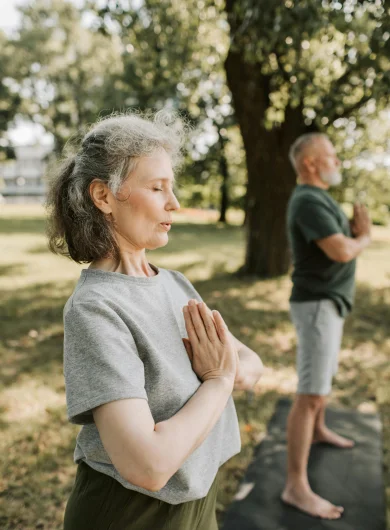
Physical health plays an important role in overall well-being, and regular exercise is one of the most effective ways to stay physically fit, improve mood, and maintain independence. Engaging in physical activities offers numerous benefits:
Improved circulation and heart health, which lower the risk of cardiovascular disease.
Stronger muscles and bones, which help prevent falls and fractures.
Better mobility, helping elderly individuals stay active and independent.
Prioritising Nutrition and Hydration
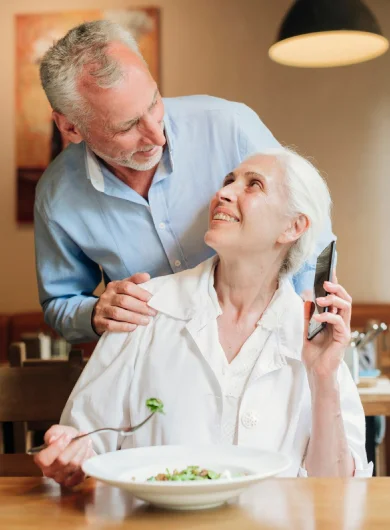
Good nutrition and proper hydration are the cornerstones of maintaining health and well-being, especially as we age. A balanced diet that provides the necessary nutrients supports physical health, mental clarity, and energy levels, while adequate hydration ensures optimal bodily function. Prioritising nutrition and hydration in daily life is essential for promoting longevity, improving quality of life, and reducing the risk of chronic health conditions.
For elderly individuals or those with special health needs, maintaining an appropriate diet and staying hydrated can sometimes be challenging due to changes in appetite, mobility limitations, or medical conditions. However, there are several strategies that can help ensure that nutrition and hydration are consistently prioritized for optimal health.



Comments
annabrown
Wow, cool post, thanks for sharing.